
If you have ever read the back of a soft drink, a bag of gumdrops or a box of pastilles, you have probably seen gum acacia or gum arabic on the list. It is one of the oldest food ingredients still in everyday use, and most people have no idea what it is.
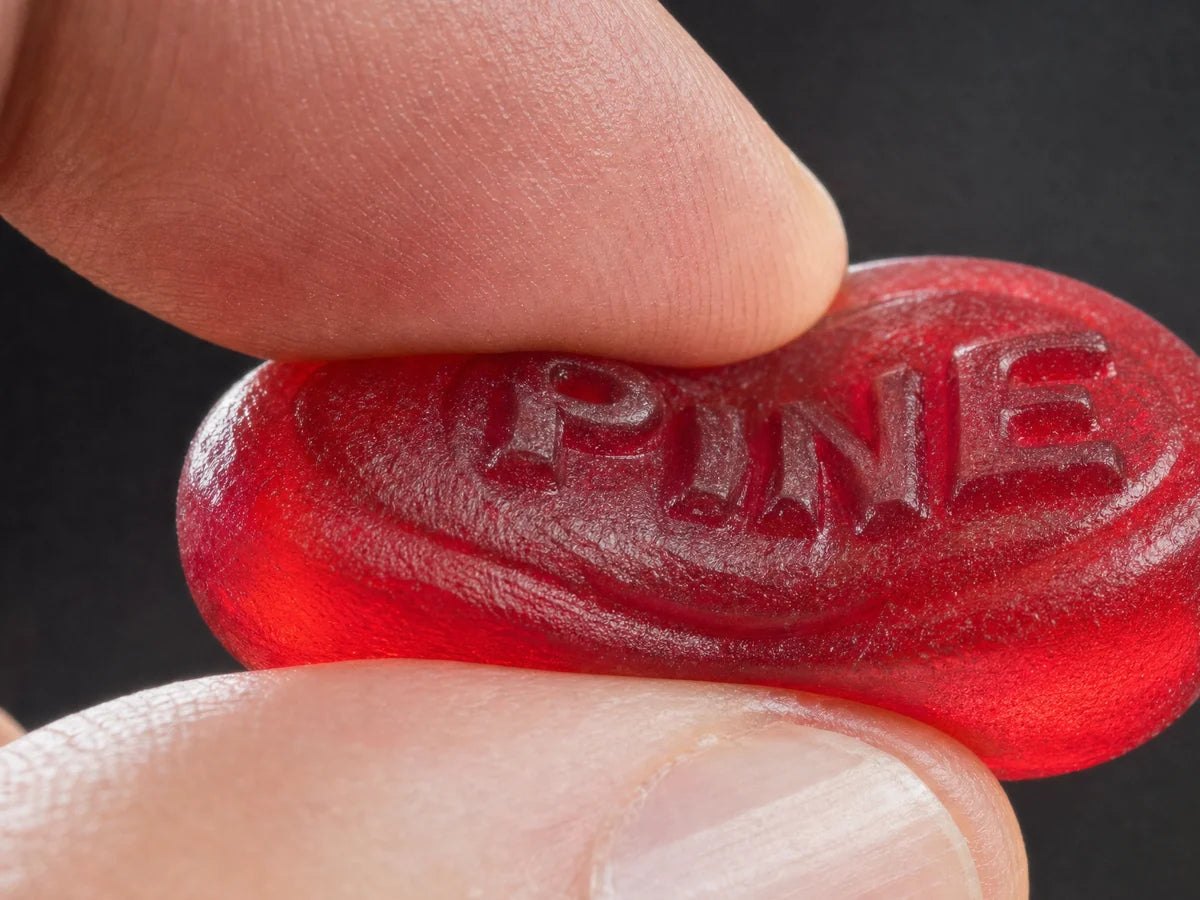
It is also the main ingredient in a Pine Brothers drop.
Gum acacia and gum arabic are the same thing
Gum acacia and gum arabic are two names for the same ingredient, which carries the food code E414 in Europe. On an American label you may see "gum acacia", "acacia gum", "acacia" or "gum arabic". All of them mean the dried sap of acacia trees.
Where it comes from
Gum acacia comes from two kinds of acacia tree that grow across the Sahel, the dry belt of land along the southern edge of the Sahara in sub-Saharan Africa. Sudan, Chad and Nigeria are among the main growing countries.
The harvest is done by hand. Workers make small cuts in the bark, and over the following weeks the tree seals them with a sticky sap that hardens in the dry air into amber-colored lumps called "tears". Pickers then walk from tree to tree collecting the tears, which are sorted, cleaned and ground into a fine powder for food makers.
How gum acacia is used
Gum acacia dissolves easily in water and gives a smooth, soft body without much taste of its own, so it turns up in a lot of places:
- Confections: pastilles, gumdrops and soft candies use it for a firm but tender bite.
- Drinks: soft drink makers use it to keep flavor oils evenly mixed instead of floating to the top.
- Coatings: it helps candy shells and glazes set smoothly.
- Art supplies: watercolor paint uses gum arabic to bind the color, and artists still buy it in bottles today.
In the United States, the FDA lists acacia (gum arabic) as generally recognized as safe for use in food.
Why it matters in a Pine Brothers drop
Every Pine Brothers drop is 39% gum acacia. Add 9% honey and 3% plant glycerin and you get the 51% key ingredients printed on the bag.
Gum acacia gives the drop its softish texture. A Pine Brothers drop gives when you press it instead of cracking like a hard shell candy, but it isn't a gummy candy either. It sits in between, firm and smooth, and lasts a while in your mouth. The texture piece explains why the feel of a drop matters as much as the flavor.
In 1870, J. Herman Pine combined plant glycerin with gum acacia and sold the first Pine Brothers Glycerine Tablets. More than 150 years later, those two ingredients are still at the center of the recipe. You can read the story of how it started on our site.
Gum acacia in every flavor
All five Pine Brothers flavors are built on gum acacia, and none of them contains menthol:
You can shop the packs in one, two, four or six bags, or a full 24 bag case.
Quick answers
Is gum acacia the same as gum arabic? Yes. They are two names for the dried sap of acacia trees.
Where does gum acacia come from? From acacia trees in the Sahel region of sub-Saharan Africa. It is collected by hand as hardened "tears" of sap.
What does gum acacia do in food? It gives a smooth, soft body, keeps flavors evenly mixed in drinks, and helps coatings set.
How much gum acacia is in a Pine Brothers drop? 39% of each drop, the largest of its three key ingredients.
Why is a Pine Brothers drop soft? Mostly because of the gum acacia. It gives the drop its softish texture, between a hard lozenge and a gummy candy.
Questions about our ingredients can go through the contact page.